BLOG
Legal Confidentiality When Using Chatgpt

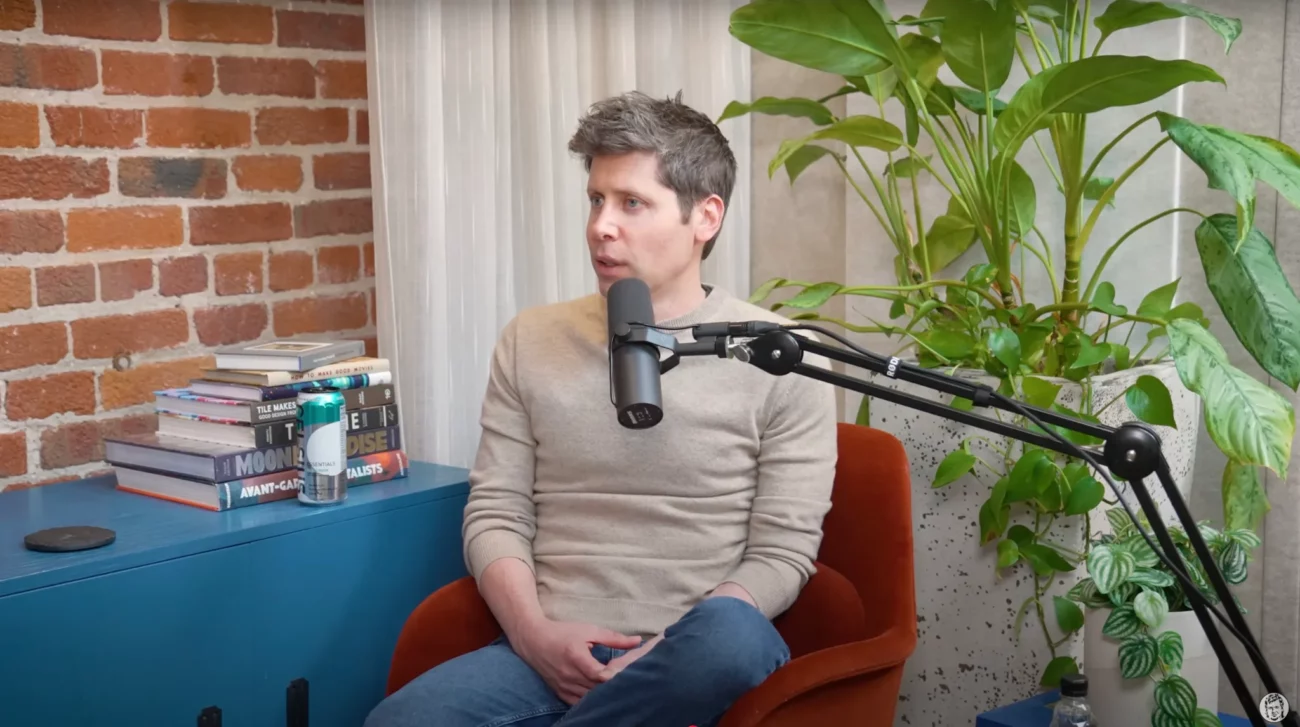
“People talk about the most personal sh* in their lives to ChatGPT…” , Sam Altman, CEO of OpenAI.
On a recent podcast, Altman expressed concern about the lack of legal privilege and privacy safeguards when users turn to ChatGPT for emotional support or quasi-therapeutic conversations. This opens a box of legal and ethical questions in the AI age.
As a legal professional and tech observer, I find these questions not only timely, but fundamental:
Legal Questions to Consider:
1. Should conversations with AI-powered tools like ChatGPT be protected by a new form of legal privilege, akin to doctor-patient or attorney-client confidentiality?
If so, under what conditions and legal framework could this be established?
2. Who is the “liable party” in case of AI misuse or disclosure of sensitive user information, the user, the company, or the developer?
3. How do we define the legal “role” of AI in sensitive interactions?
If ChatGPT is being used as a de facto therapist or life coach, does that make OpenAI a provider of digital mental health services, and should it be regulated as such?
4. What happens to the confidentiality of these AI conversations in jurisdictions where user data can be subpoenaed in criminal or civil cases?
5. Can users give “informed consent” to AI use without knowing how their data could later be used in legal proceedings?
6. In absence of legal protections, should there be standardized international guidelines (e.g. through OECD, EU AI Act, or UN) for data usage in AI-mediated conversations?
7. How do we reconcile innovation with legal asymmetry when tech evolves faster than regulation?
What are your thoughts? Should AI conversations ever be legally protected? Should OpenAI and other companies reclassify certain interactions as privileged?