BLOG
AI-Generated Deepfakes in Political Ads Spur Legal and Regulatory Scrutiny

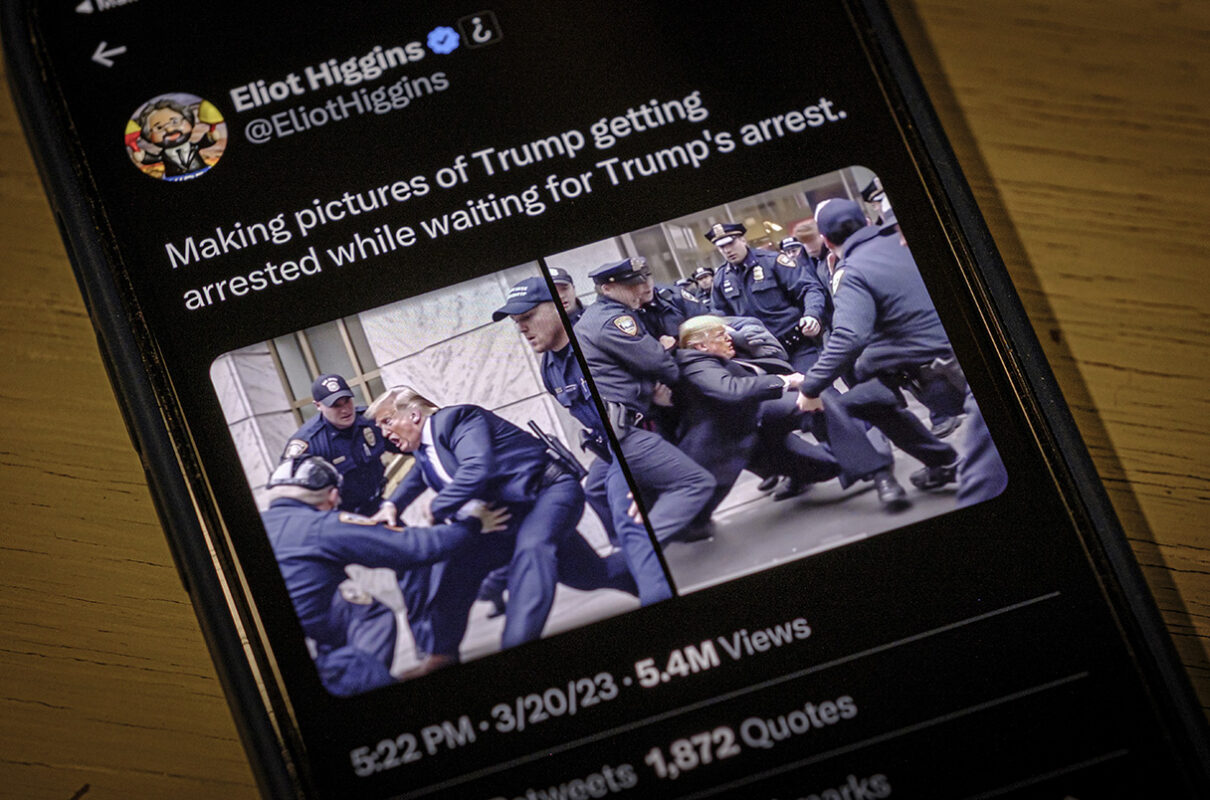
AI-generated deepfakes, highly realistic fake videos or audio created by advanced neural networks, have emerged as a pressing concern in recent weeks. A new investigative report by the Tech Transparency Project (TTP) revealed a surge of deepfake political scam ads on Meta’s Facebook platform. These ads, often targeting seniors, used AI to impersonate public figures (like presidents or celebrities) in videos promoting fake government programs or financial scams. Over just three months in 2025, 63 scam advertisers ran more than 150,000 ads, spending about $49 million to mislead users with AI-doctored content. Lawmakers quickly took notice: in mid-October 2025, a bipartisan pair of U.S. Congress members sent a letter to Meta’s CEO, Mark Zuckerberg, demanding answers about Facebook’s role in “profiting from and monitoring fraudulent AI-generated deepfake political advertisements”. The rapid rise of this technology, and its exploitative use on social media, has set off alarms among policymakers and the public, underscoring how generative AI can be weaponized to deceive voters and consumers at scale.
Key Legal Issues Raised by Deepfake Ads:
The proliferation of deepfake political ads raises a host of legal issues and dilemmas:
- Fraud and Consumer Protection: Many deepfake ads are essentially scams; for example, using a fabricated video of a politician to lure people into false benefit programs or phony subscriptions. This implicates laws against fraudulent advertising and could invite action by consumer protection agencies. U.S. lawmakers noted that such AI-enabled impersonation scams have skyrocketed, with the Federal Trade Commission reporting a fourfold increase in impostor scams since 2020. A major legal question is whether existing fraud statutes and advertising regulations are sufficient to address these AI-driven schemes.
- Election Integrity and Disinformation: Deepfakes can erode trust in election campaigns by making candidates appear to say or do things they never did. Misleading political deepfakes pose risks of voter manipulation and election interference, especially as the 2024–2025 election cycle unfolds. Election laws require transparency about who is behind political messages, but AI forgeries could render it “virtually impossible to determine who is truly speaking… or whether something being depicted actually happened,” warned former FEC chairman Trevor Potter. This undermines voters’ ability to evaluate candidates and could skew democratic outcomes. Yet, regulating campaign content treads on sensitive First Amendment ground, leading to debates over how to curb malicious deepfakes without chilling free speech.
- Impersonation and Defamation: Deepfakes that clone a real person’s likeness or voice without consent also raise issues of rights of publicity and defamation. Public figures have limited recourse under defamation law unless malicious intent and harm can be shown. When a deepfake causes reputational damage or spreads false statements, it tests how existing libel and slander standards apply to AI-generated content. If the victim is not a candidate or if the deepfake isn’t tied to an election, gaps in the law become apparent, which is why we see separate efforts to address non-political deepfakes (like fake pornography or identity theft).
- Platform Liability and Section 230: A critical issue is the responsibility of online platforms hosting deepfake content. Thus far, platforms like Meta claim to remove content that violates policies, but reports suggest they often allowed known deepfake scam ads to run until substantial money was spent. Under Section 230 of the U.S. Communications Decency Act, platforms generally aren’t liable for user-posted content. However, if platforms profit from or knowingly facilitate fraud, regulators might argue that immunity shouldn’t apply. This tension is feeding discussion about whether new carve-outs or duties are needed for platforms in the age of AI-driven deception.
- Privacy and Data Protection: Creating a convincing deepfake often involves using someone’s image or voice data without permission. This raises privacy concerns and, in some jurisdictions, could violate data protection laws. Biometric data laws (like voice or face recognition statutes) might come into play if AI models use individuals’ biometric identifiers to generate fake media. In the EU, for instance, the new AI Act and Digital Services Act are poised to address certain manipulative AI content and require transparent labeling, reflecting how deepfakes straddle technology and privacy regulations.
In sum, the deepfake political ad phenomenon touches on multiple legal domains, election law, criminal fraud, civil liability, and constitutional free speech, exposing the challenges of applying existing laws to AI-generated falsehoods. Courts and regulators are now grappling with how to define and police the line between permissible satire or parody and malicious deception in this new context.
International and Other Responses: Globally, regulators are waking up to the deepfake threat. The European Union’s Digital Services Act (DSA), which recently came into effect, requires large platforms to swiftly remove illegal content and mandates transparency in algorithmic processes, provisions that could apply to coordinated deepfake disinformation campaigns or fraud. The EU is also implementing its AI Act, which imposes obligations on high-risk AI systems and potentially cover deepfake generators, including requirements to disclose AI-generated content in some contexts. Meanwhile, law enforcement agencies are alert to national security angles: intelligence and defense officials warn that deepfakes could be used by foreign adversaries for propaganda or to impersonate leaders in crises. This has prompted discussions about whether creating certain high-stakes deepfakes (for example, a fake video of a public official to sow panic) might be covered under national security or anti-sedition laws. While these scenarios are extreme, they underscore that what began as viral internet curiosities are now viewed as a serious legal and governance challenge worldwide.
Overall, the regulatory response is in flux, a mix of new laws, proposed bills, agency guidance, and private sector rules. The flurry of activity in late 2024 and 2025 demonstrates consensus on one point: doing nothing is not an option. Yet, there is no clear consensus on the best solution, as policymakers balance preventing harm with preserving innovation and free expression.
References:
2. https://debbiedingell.house.gov/news/documentsingle.aspx?
4. https://efy.news/government-debates-new-laws-to-regulate-emerging-tech-in-a-digital-age
5. https://www.nbcrightnow.com/news/debate-over-ai-legislation-in-senate-sparks-concerns/article
6. https://www.theregreview.org/2024/11/27/barclay-artificial-intelligence-in-political-campaigns/#:~:text=notice,%E2%80%9D